Building Peace Through Dialogue-Based Courses

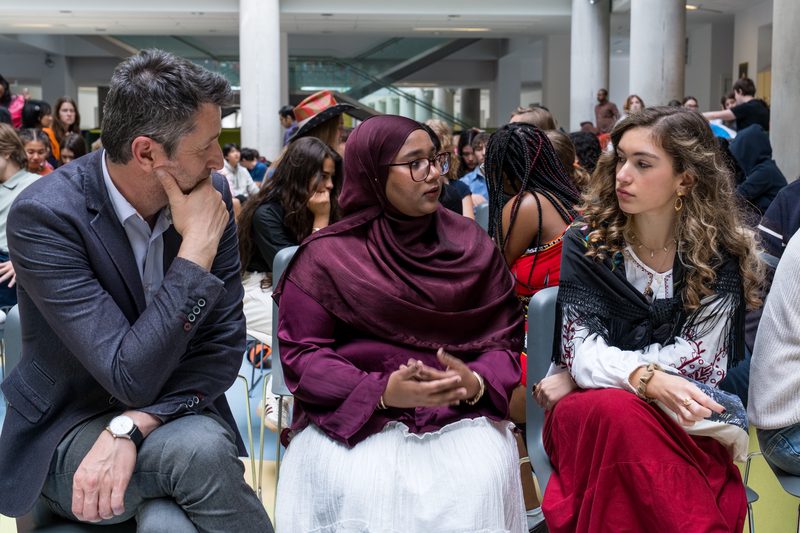
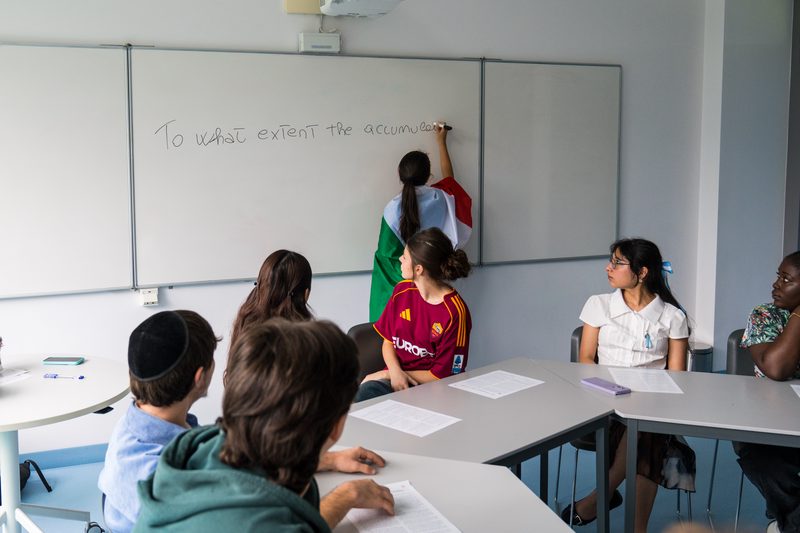
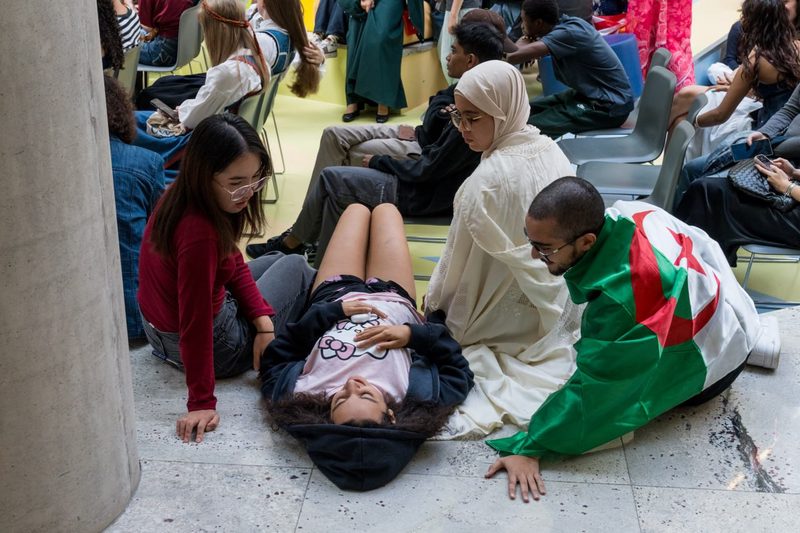
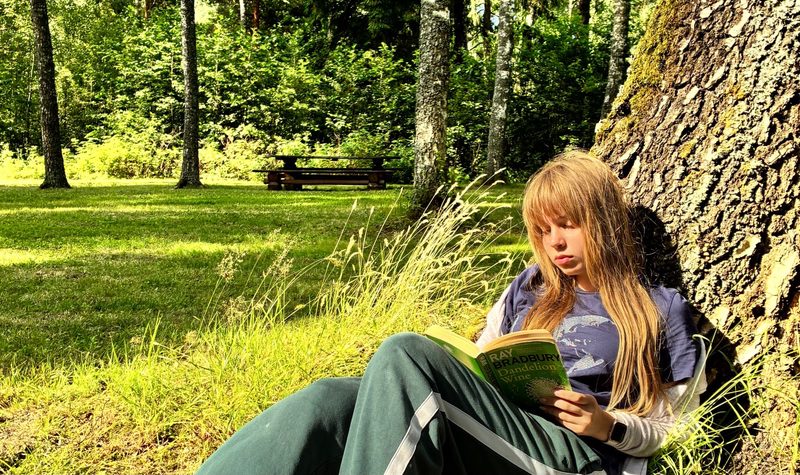
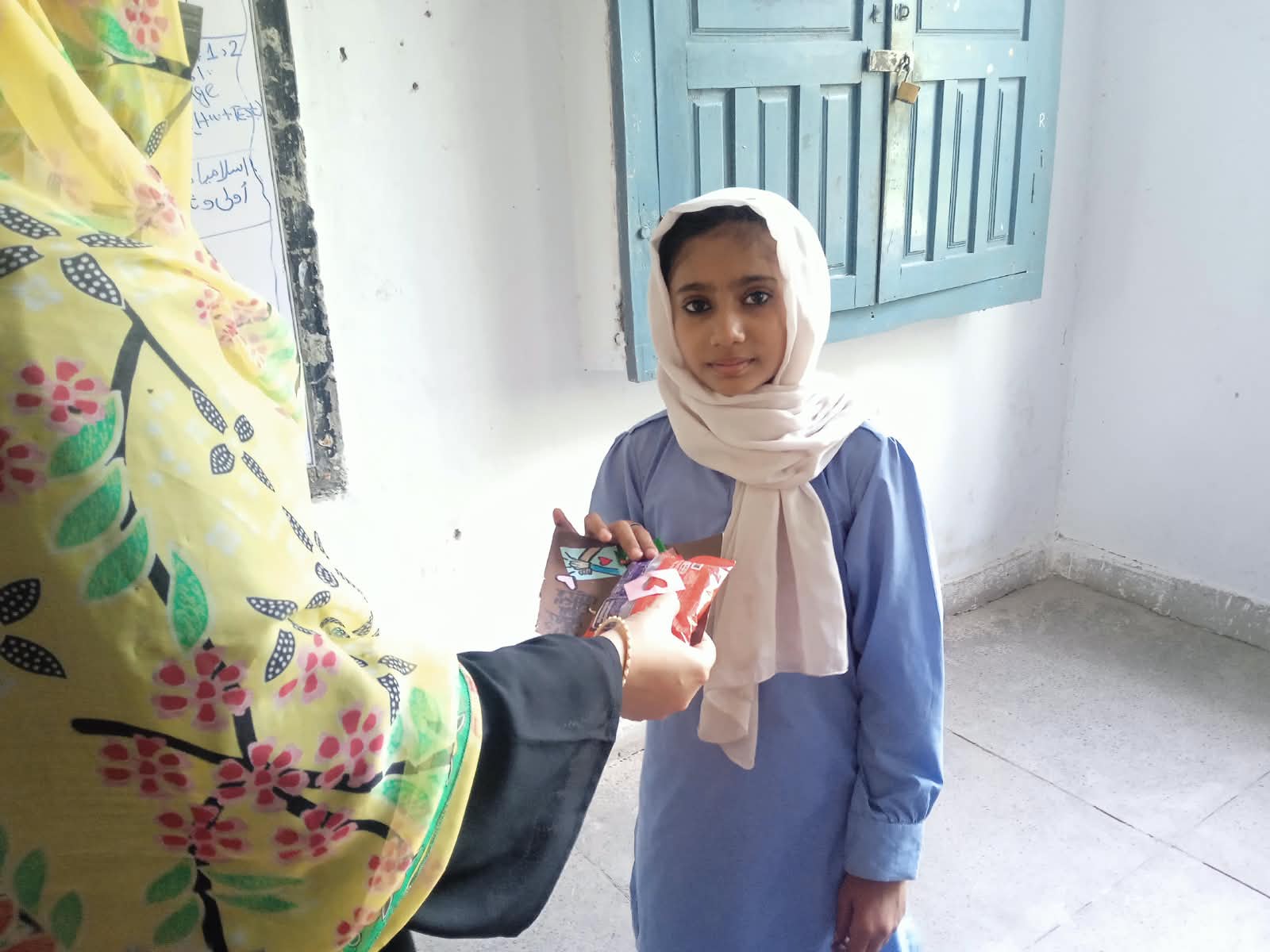
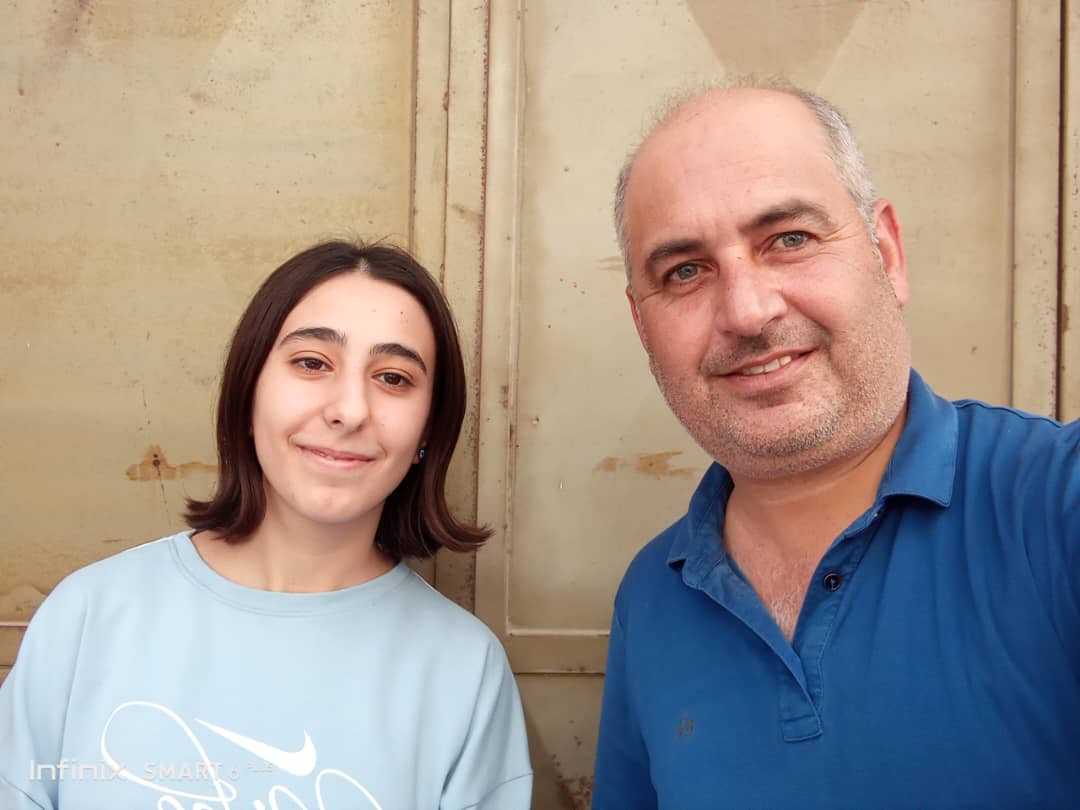
To counter the roots of violence, caused in part by a crisis of attention among the next generation, we run guided, dialogue-based courses in classical literature that help teens learn to listen, think, and speak in ways that create connection.

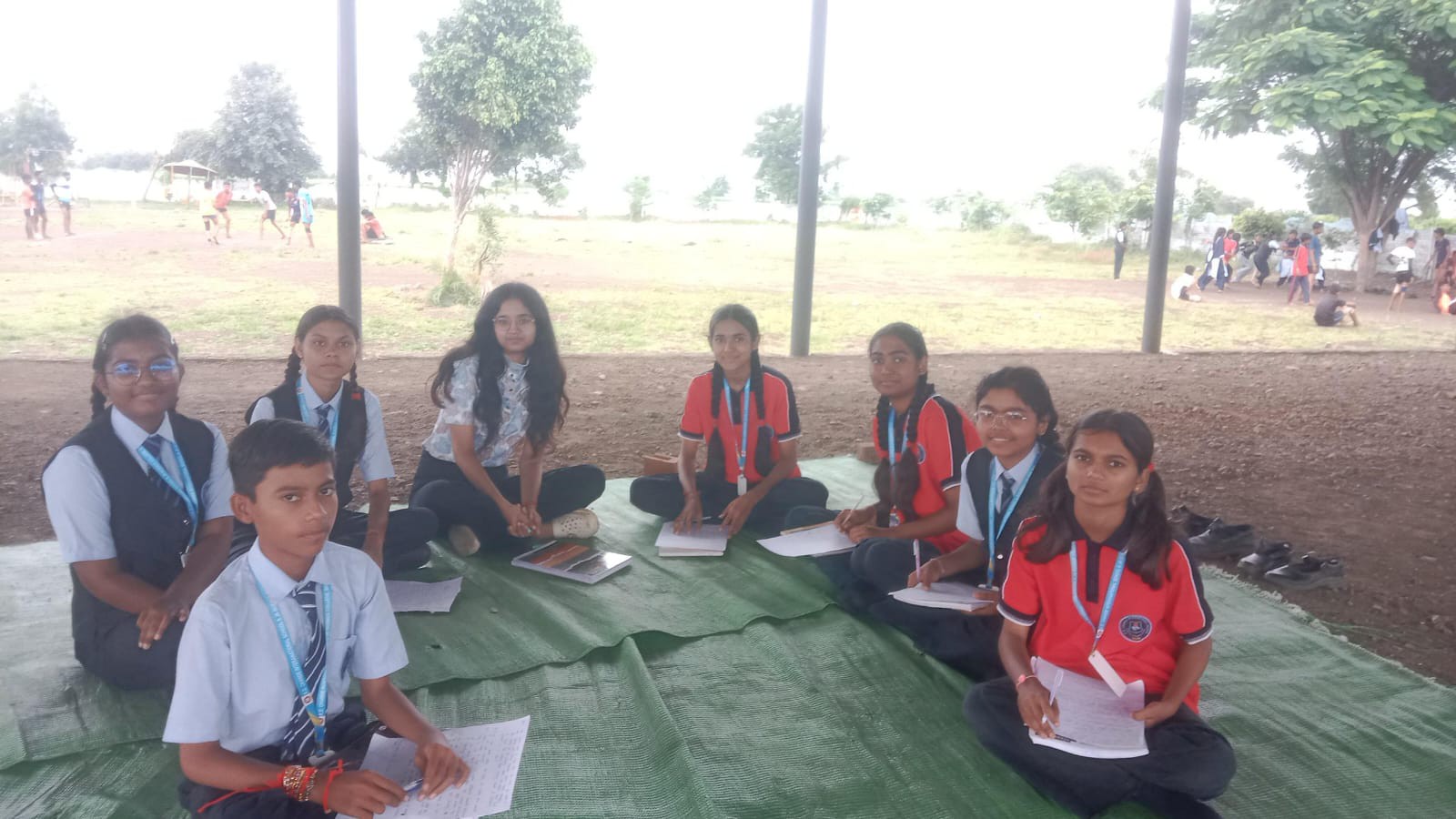
Small-group courses for teens

Discussion instead of lectures

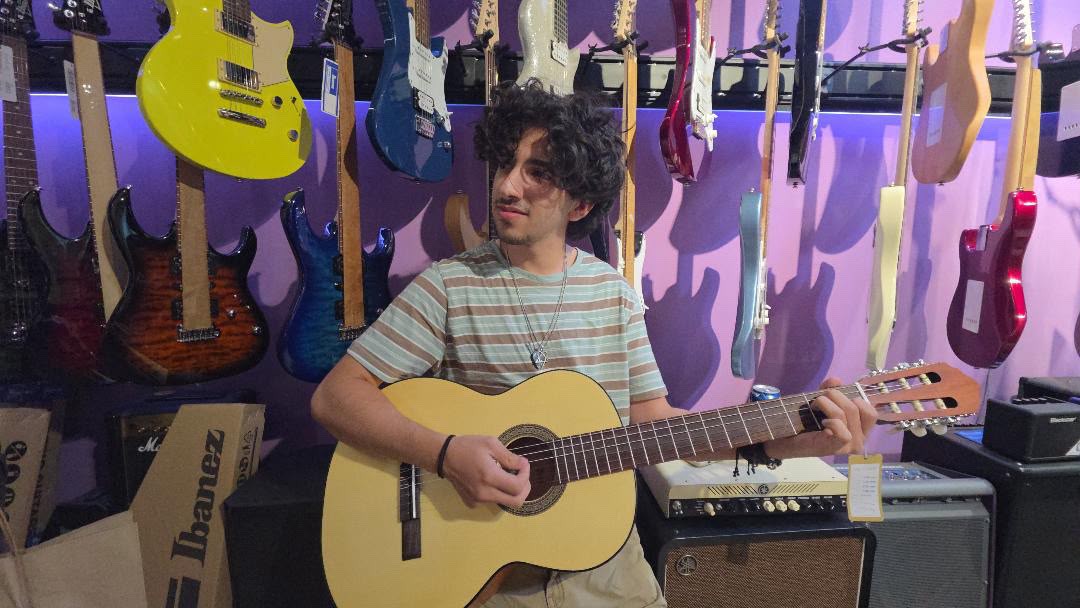
Classical texts, stories, music, and art

Learning to listen, think, and speak across difference

Svet Peace Svet Peace
Peace at the Core Peace at the Core
Svet Peace Svet Peace

A Different Way to Learn

πŸ“š

Traditional education centers on one voice β€” the teacher's. Students listen, take notes, and search for the "right" answer.

πŸ’¬

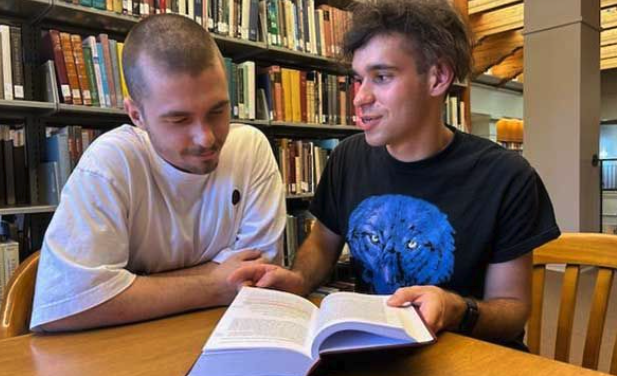
Our approach is different. In a Socratic seminar, every voice matters. We think together, question deeply, and discover meaning through dialogue.

Modern Classroom

One speaks. Many listen. Questions have one right answer.

Socratic Seminar

Everyone speaks. Everyone listens. Questions open new ways of thinking.

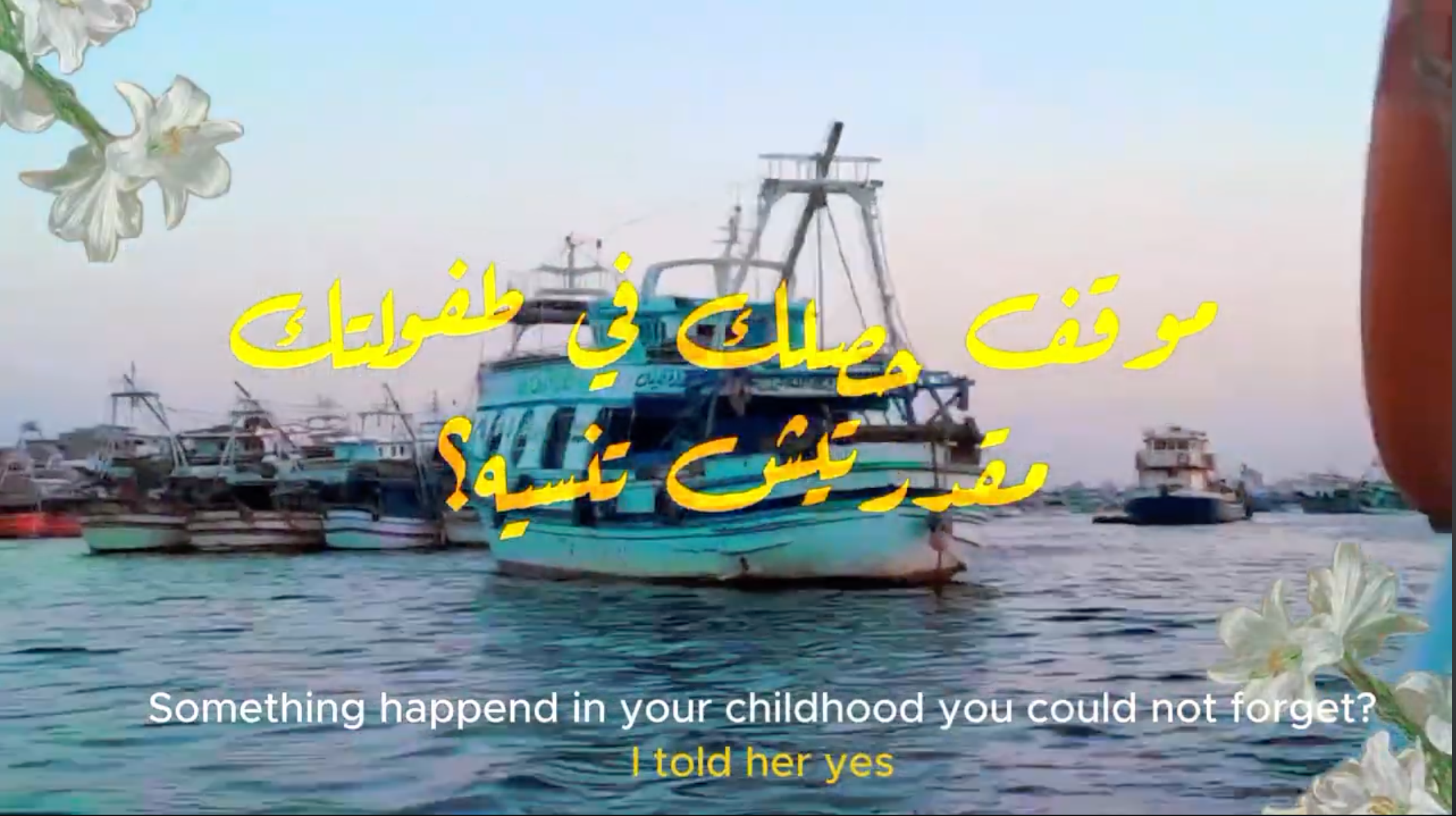
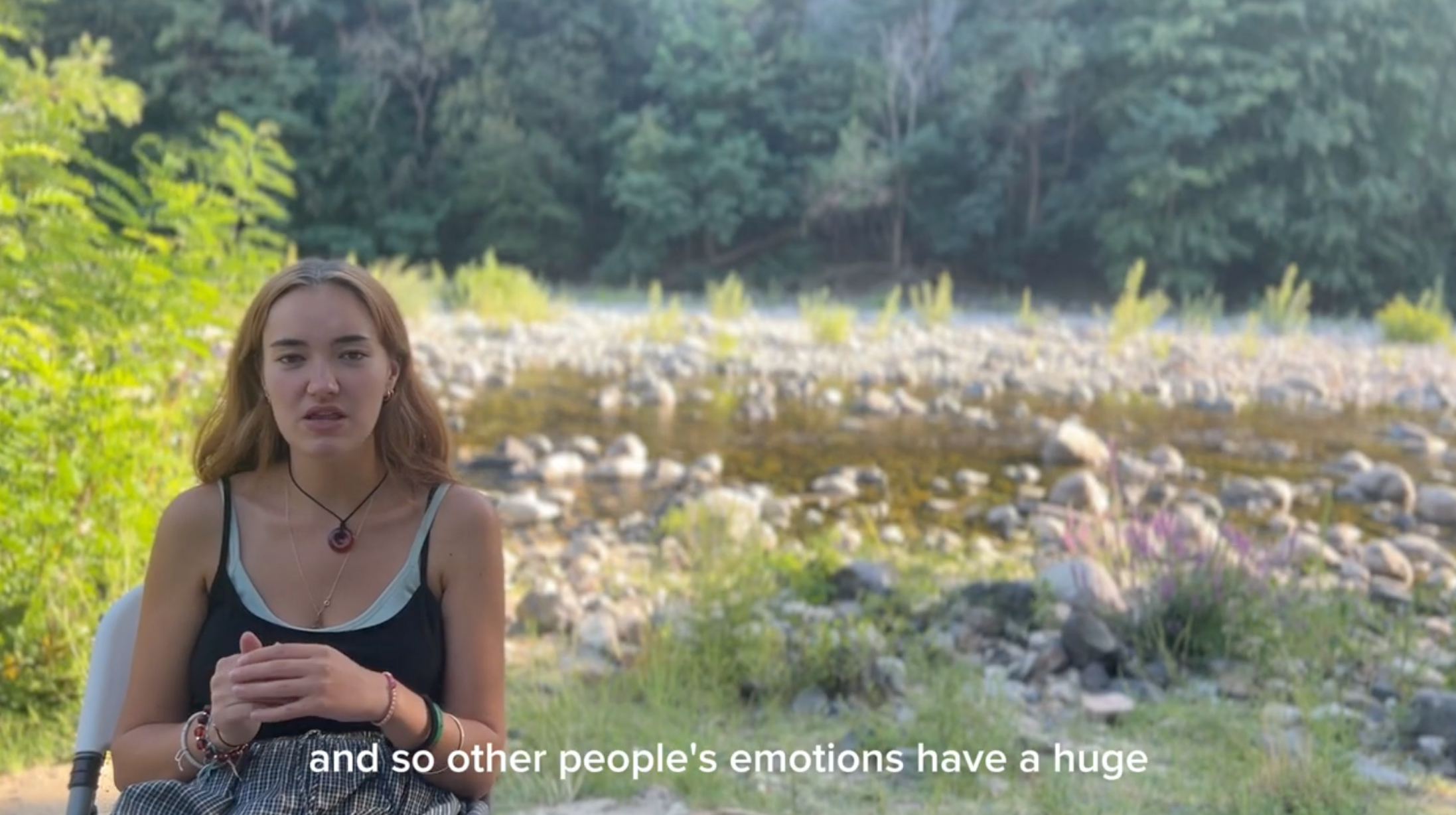
A glimpse into the atmosphere of our seminars

This short film was created with our Eastern European students to capture the spirit of our project. It follows the same Socratic format we use in every class β€” speaking one by one, asking questions, and listening deeply, but this time, the conversation is about the project itself.

Why "Svet"

✨ Our name comes from the Slavic word for "light" (a root shared among Slavic languages) β€” a symbol Leo Tolstoy often used to describe the quiet inner work that makes peace possible. As he writes in War and Peace:

(War and Peace β€” Book III, Ch. 16)

Leo Tolstoy's vision reminds us that true peace begins in the human heart.

🌱 "Svet" is an invitation: to seek clarity, to listen honestly, and to let dialogue illuminate what divides us. We chose this name because our seminars aim to kindle that same light in young people.

πŸ•ŠοΈ Our work is shaped by the St. John's College seminar tradition, described by The New York Times as "the most contrarian college in America", and inspired by the UWC movement's vision of education for peace.

The Proof Behind the Method

1

Spark empathy and creativity

Reading and discussing Great Books helps us step into another's perspective and imagine new possibilities. Research evidence.

2

Sharpen critical thinking

Socratic Dialogue train us to question assumptions, weigh evidence, and reason more clearly. Research evidence.

3

Transform conflicts into understanding

Through shared inquiry, disagreements become opportunities to connect rather than divide. Research evidence.

4

Strengthen focus and attention

Sustained reading and open dialogue develop the ability to concentrate deeply in a distracted world. Research evidence.

You can explore a more detailed overview of how our method is supported by research here.

Courses & Partnerships

β€” Albuquerque Journal, New Mexico's largest newspaper
Read the full article β†’

πŸ† Projects for Peace 2024

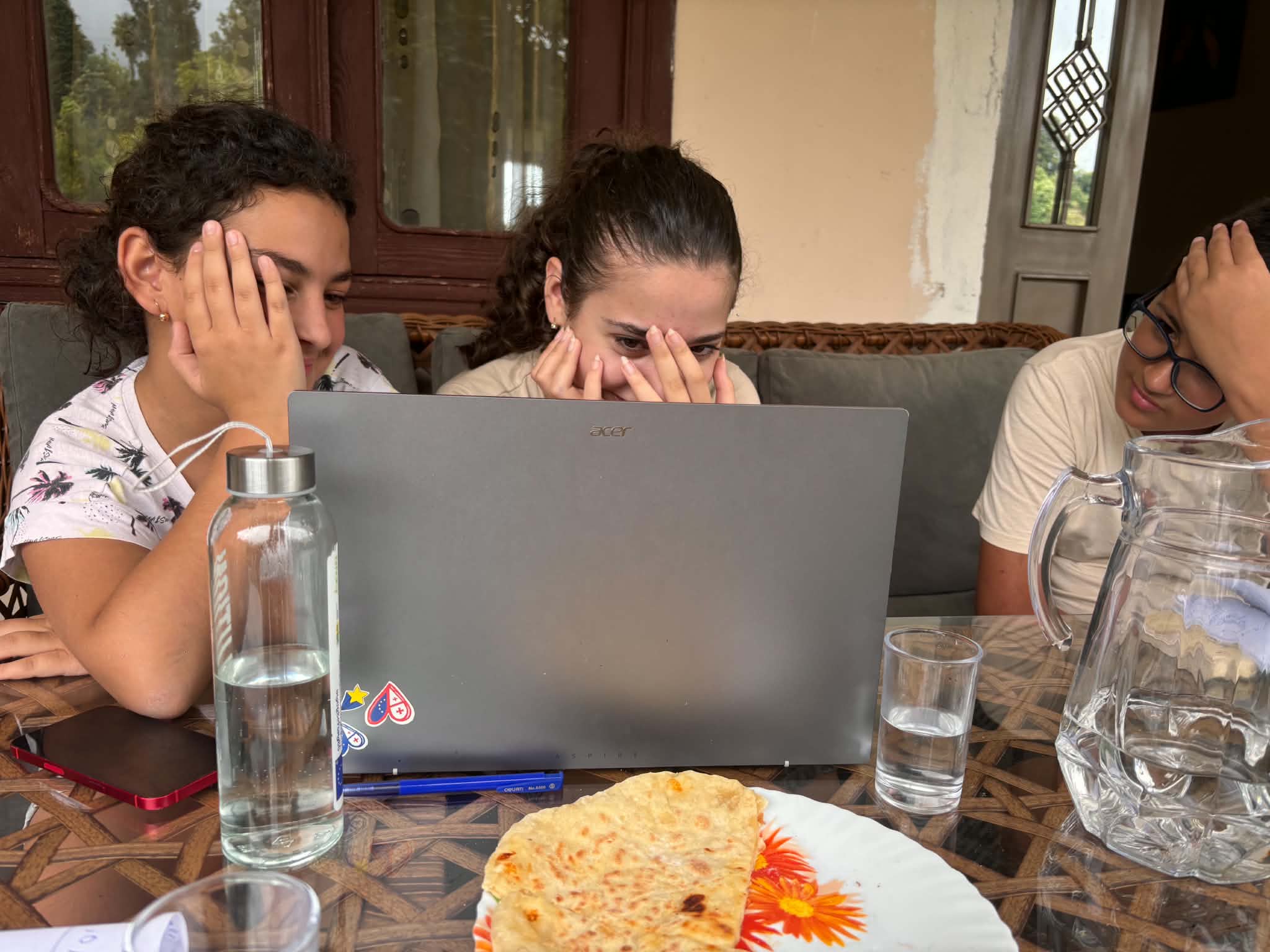
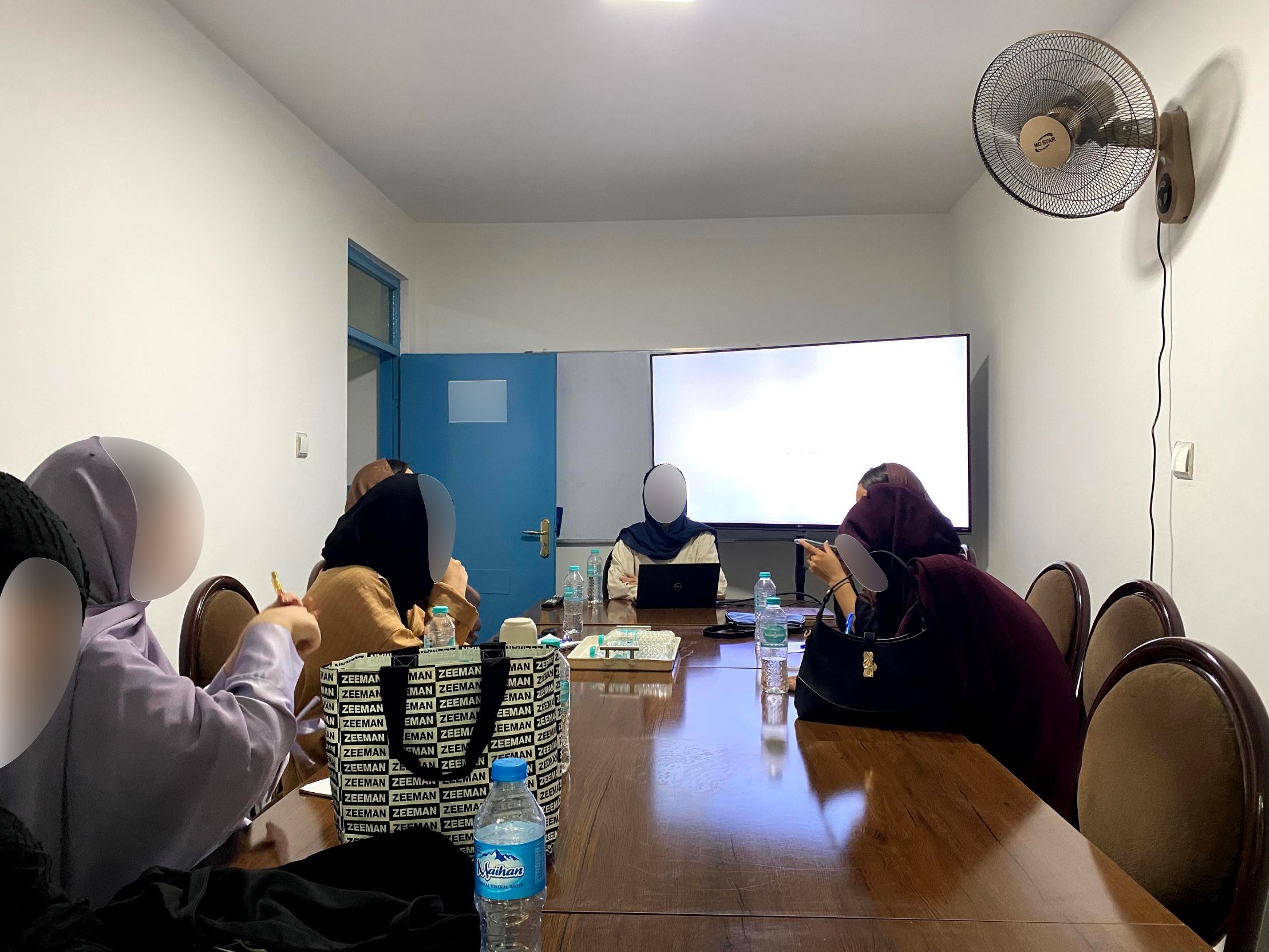
Selected as recipients of the prestigious $10,000 Projects for Peace grant through Middlebury College's Kathryn W. Davis Collaborative. Our summer course successfully brought together students from Russia, Ukraine, and Belarus for collaborative literary discussion during a time of conflict. Read the full interview.

πŸ’™ Every Donation Is Doubled

Thanks to an anonymous donor matching the next $5,000 in contributions, every gift now goes twice as far. Your support helps sustain our current programs and brings us closer to funding our first full operating year beginning June 2026. If you'd like to take part in the matching effort, you can support us here β†’ Donate (matched 1:1)

Summer 2026 β€” Standalone sessions

Free Summer Seminars for Teens

Online, ages 14–19

Free, discussion-based seminars in small groups for students ages 14–19. Each date is a standalone session β€” read a short text beforehand, then explore it together in conversation. Register for one, several, or all of them. Spots are limited, so please only register if you can attend.

Dates: July 8, July 22, August 4, August 18, August 31
Prep: 30–60 min reading β€” Length: ~90 min

Apply here

Summer 2026 β€” 2 weeks

Many Ways to Be Human: Short Stories from Around the World

Online (UWC Short Course)

This international short course invites students to explore different ways of being human through short stories from Nobel Prize winning authors around the world. Participants reflect on experiences that speak across cultures and traditions. Each session starts with small group conversations and moves into a full seminar discussion, where students practice careful reading and learn to listen and speak thoughtfully across difference. Read more

Cohort 1 dates: June 21 – July 5
8 sessions (90 minutes each)

Cohort 2 dates: August 5 – August 12
5 sessions

Course fee: $100
Full scholarships available for students who cannot pay.

Applications closed

How Your Donation Helps Us Build Peace

πŸ“š

Sustain current seminars

Running a 3-month in-person course costs about $400 (excluding staff time). Your support covers space, books, materials, and student engagement.

🌍

Keep our programs free

Your contribution helps us offer free seminars to students in the U.S. and abroad β€” reaching over 150 learners yearly.

πŸ”„

Become a monthly supporter

Monthly gifts help us plan ahead, keep seminars free year-round, and make Svet's program schedule stable for students. Even $10/month creates dependable support for each new discussion cycle.

πŸ›οΈ

Fund the year ahead

We are raising $65,000 to sustain Svet from now through our first full operating year (June 2026–May 2027), supporting staff time and materials for 15 seminar cycles. This includes support for our current programming (Jan–May 2026) and our full 2026–27 operating year.

🀝

Unlock larger institutional support

Demonstrated community backing helps us qualify for foundation grants and long-term partnerships.

πŸ”Ž

Want to understand where these numbers come from?

Read our full plan and budget β†’

Yearly Priorities (Fall 2025 β†’ Fall 2026)

Over the next year, we are focusing on five core priorities that will help Svet Peace Project grow sustainably and deepen its impact.

1

πŸ™Œ Donor Outreach

Initiate outreach efforts to cultivate new donors.

2

πŸ“ Grant Applications

Submit applications for multiple grant opportunities.

3

πŸ“Š Evaluation Tools

Develop tools for program evaluation and feedback.

4

πŸš€ Scale Programming

Expand programming based on developing partnerships.

5

πŸ” Annual Review

Conduct a comprehensive annual review of activities.

Where We Work

We bring our seminars to students everywhere:

🏫

In U.S. public, private, and homeschool settings

🌍

In international programs, especially the Post-Soviet region

πŸ’»

Online, open to learners worldwide

Project Founders

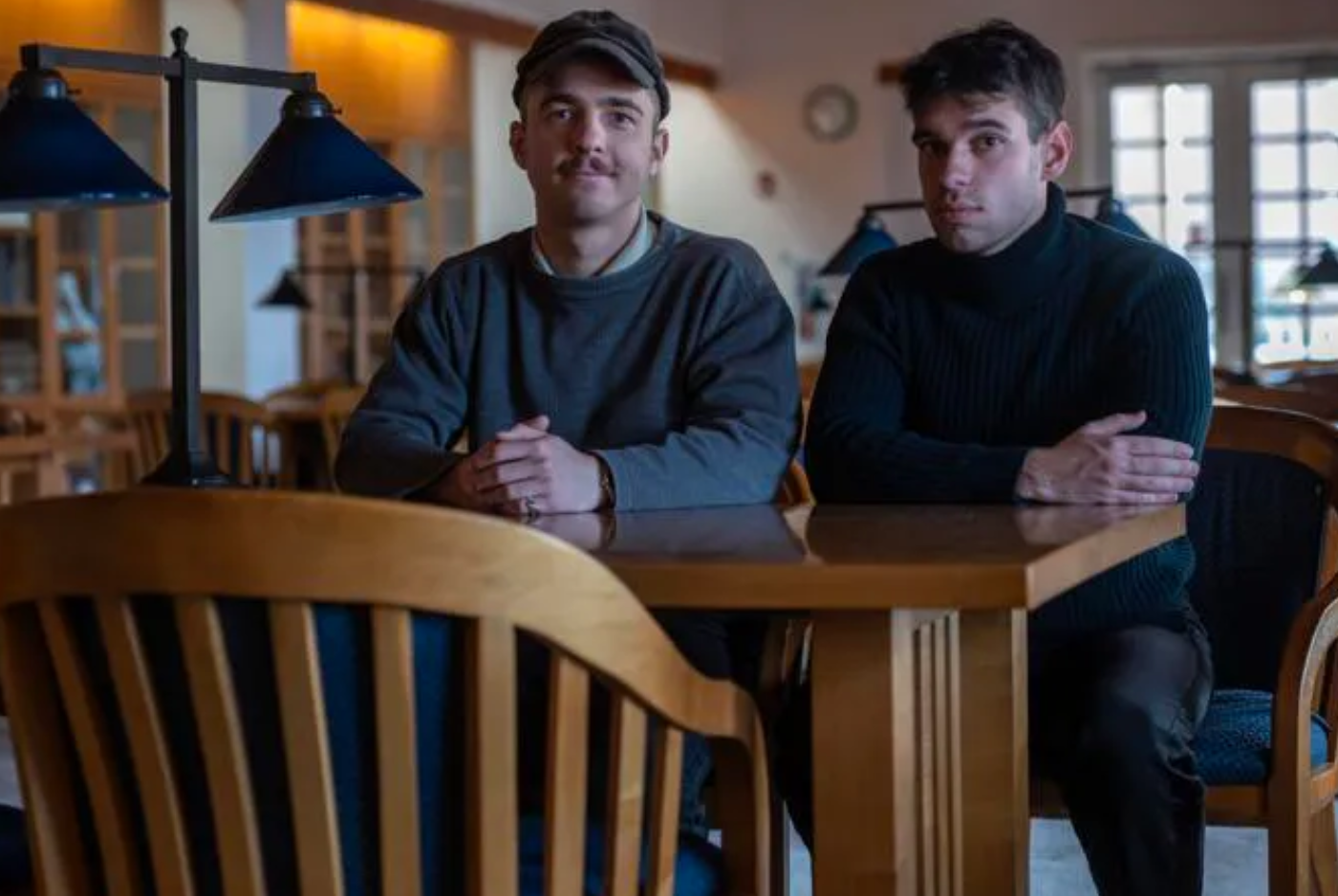
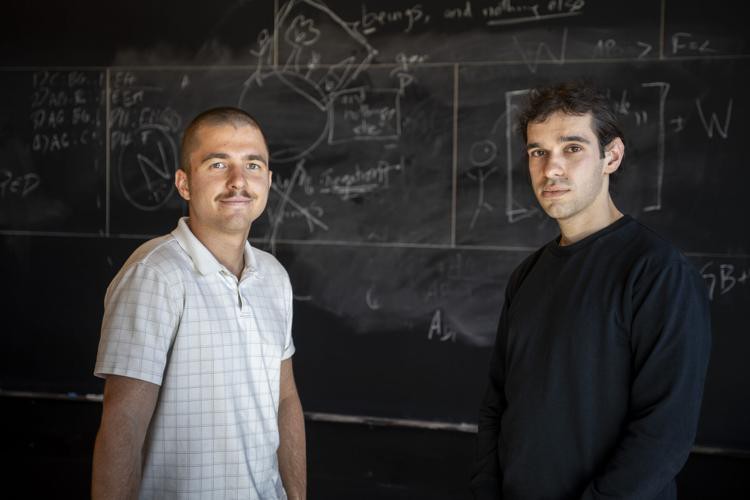
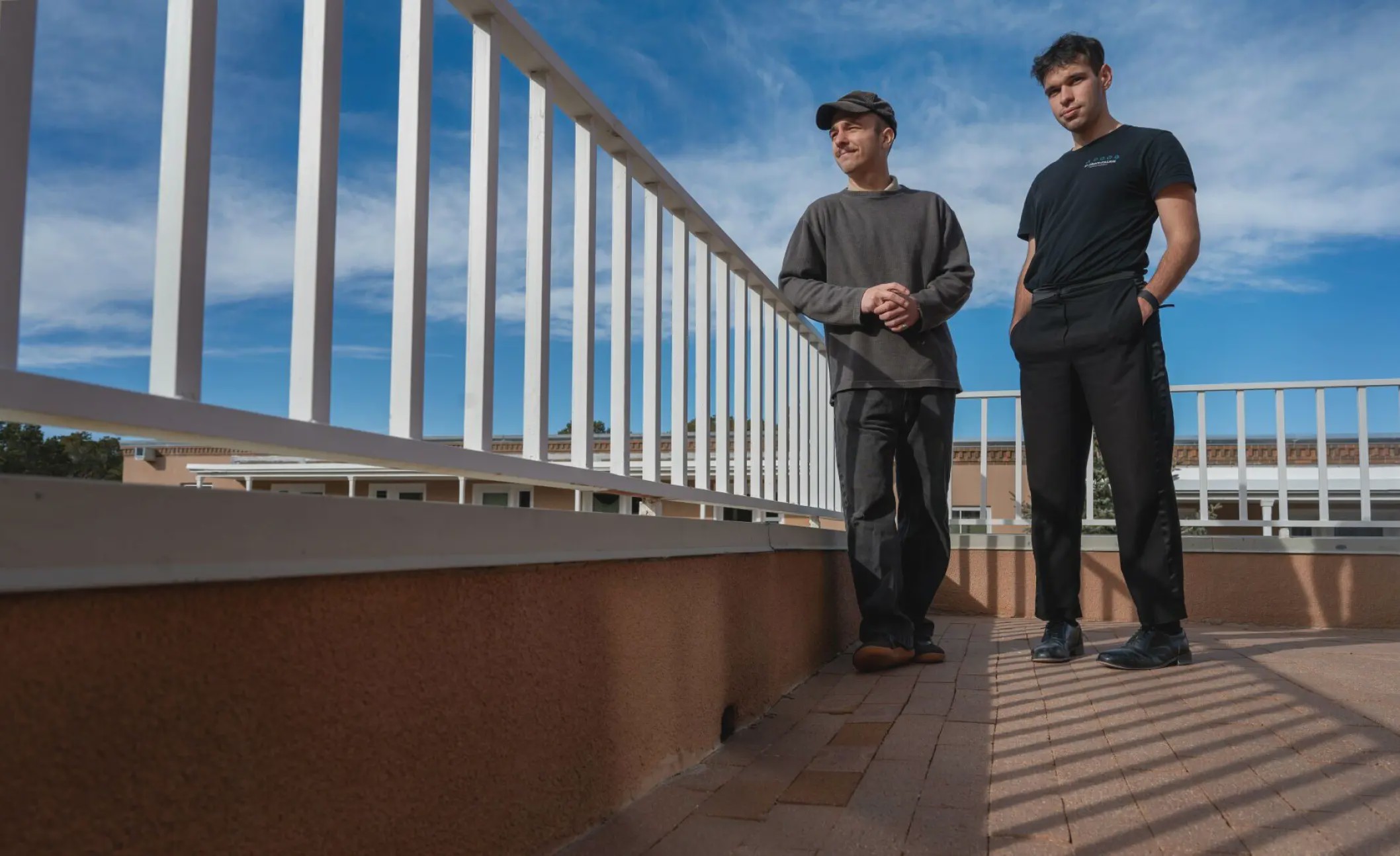
Our founding partnership emerged from a shared academic vision during our university studies. We recognized the profound need for accessible alternative educational pathways that leverage literary analysis as a foundation for critical thinking and intellectual development.

Kanstantsin Tsiarokhin

Kanstantsin Tsiarokhin

Kanstantsin grew up between Minsk, Belarus and Kyiv, Ukraine, absorbing the post-Soviet region's cultural complexity and political tension firsthand. His path in education started early, when he founded conversational English courses in Minsk that brought together students from different backgrounds. That work shaped his belief that people learn best through dialogue. After moving to Berlin in 2022, he learned German and immersed himself in European intellectual traditions before finishing his undergraduate degree at St. John's College. Kanstantsin is now pursuing a master's degree in Classical Leadership, continuing to explore philosophy and pedagogy through the Svet Peace Project, drawing on his cross-cultural background and his belief in dialogue as a way to bring people together.

Amir Bergen

Amir Bergen

Amir is an entrepreneur and a graduate of St. John's College. Born in Russia, he began his education at an Orthodox Classical Gymnasium, which sparked his lifelong interest in tradition and dialogue. His background spans Eastern Europe, with roots and family ties across several countries in the region. Before coming to St. John's, Amir studied at UWC Dilijan in Armenia, where he found a global approach to learning grounded in reflection and shared inquiry. Outside of academia, he founded and built one of Russia's largest vintage clothing stores, growing it into a community around creativity and sustainable fashion. Through his time at St. John's, he came to believe that education should cultivate independence of thought, not just transmit knowledge.

Follow our work on Instagram: @svetpeaceorg

Board of Directors

We are officially registered in the State of New Mexico as Svet Peace Education Initiative Inc, a nonprofit organization. Alongside co-founder Kanstantsin Tsiarokhin, our Board of Directors brings together deep expertise in education, leadership, and peacebuilding:

Charles Bergman

Charles Bergman

Charlie is an educator and former international consultant with decades of leadership experience in both business and schools. He began his career with IBM, helping establish IBM China, before turning to education as a program director and head of school in California and Oregon. At St. John's College in Santa Fe, he revitalized the Office of Personal and Professional Development, expanding opportunities for student growth. He holds a B.A. from Amherst College, an M.S. in mathematics from University of California, Berkeley, and an M.A. in East Asian Studies from Stanford University.

Victor Kazanjian

Victor Kazanjian

Victor is a global peacebuilder, leadership coach, and educator dedicated to transforming conflict through dialogue and compassion. He formerly served as Executive Director of the United Religions Initiative, guiding interfaith peacebuilding efforts across more than 100 countries. His earlier work as Dean of Intercultural Education at Wellesley College and Fellow in Peacebuilding at UWC-USA reflects his lifelong commitment to spiritual and social transformation.

Kathleen Longwaters

Kathleen Longwaters

Kathleen is a Tutor (professor) at St. John's College and a scholar of literature, philosophy, and South Asian cultures. Before her academic career, she worked in genetics research and helped establish a cytogenetics laboratory in Germany. A Fulbright-Nehru recipient and multi-fellowship awardee, she has conducted research in India and Norway, where she also gave talks on ancient South Asian medicine and poetry readings in English and Urdu. Her work bridges Western and South Asian traditions, fostering cross-cultural understanding through classical texts and reflective dialogue.

Contact

πŸ“§ Email: info@svetpeace.org

πŸ“ž Phone: (505) 310-0190

πŸ“· Instagram: @svetpeaceorg

LinkedIn: Svet Peace Project

πŸ“ Address: 6001 Menaul Blvd NE #1169, Albuquerque, NM 87110, United States

Stay Connected to Our Work

Receive thoughtful updates from our dialogue-based courses, reflections from the classroom, and ways to support what we are building.

We write every 2 months. No spam, ever.