
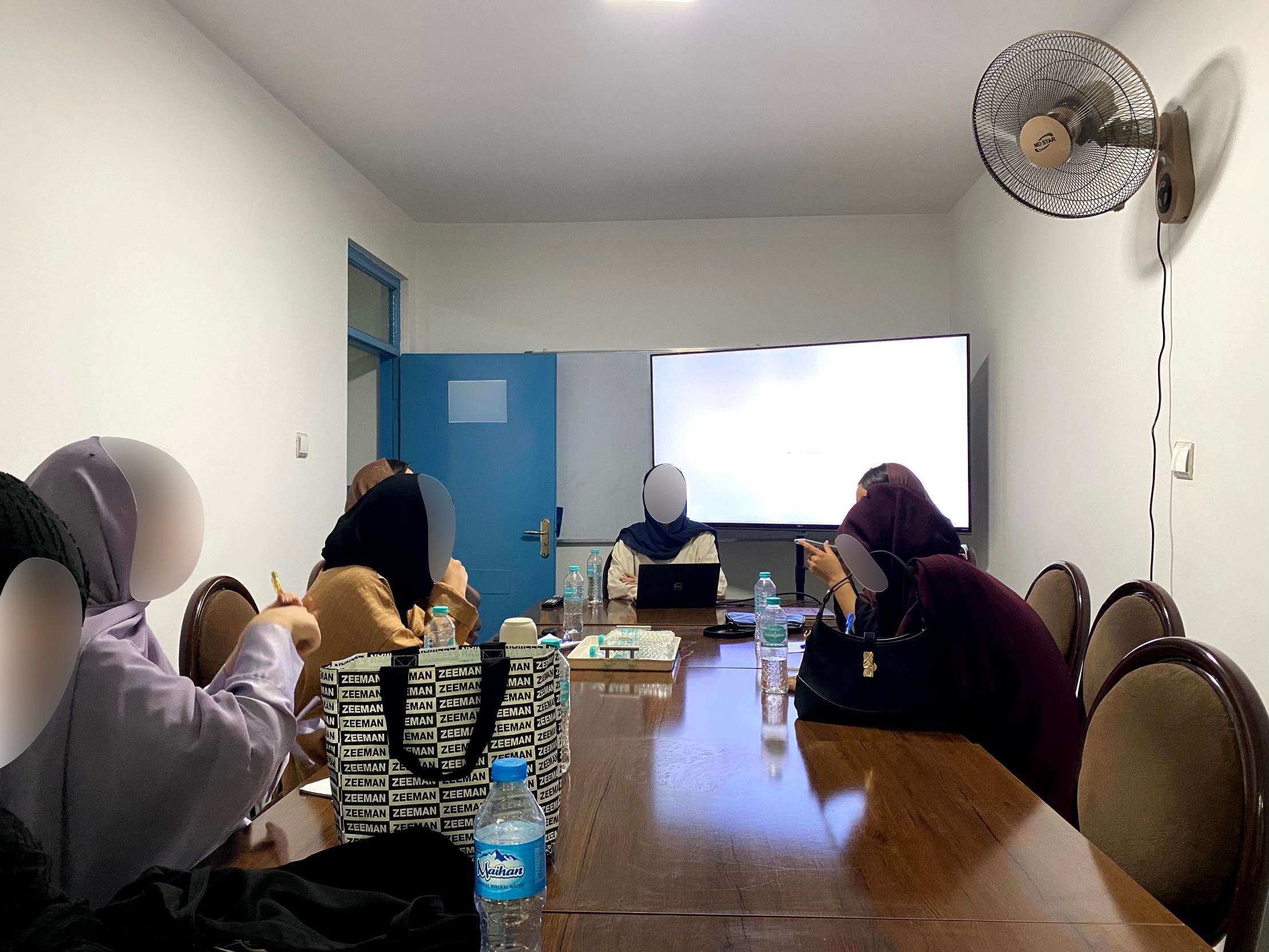
Fatima · Afghanistan
A seminar for Afghan girls banned from school
A seminar giving Afghan girls banned from school a way back to learning.
Inspired by Barn Burning, William Faulkner
Completed · 2026
An international short course exploring different ways of being human through short stories from Nobel Prize winning authors around the world.
Online · 21 Jun to 12 Aug 2026 · Two cohorts, summer 2026: eight sessions and five sessions
This course has ended. See what is open now
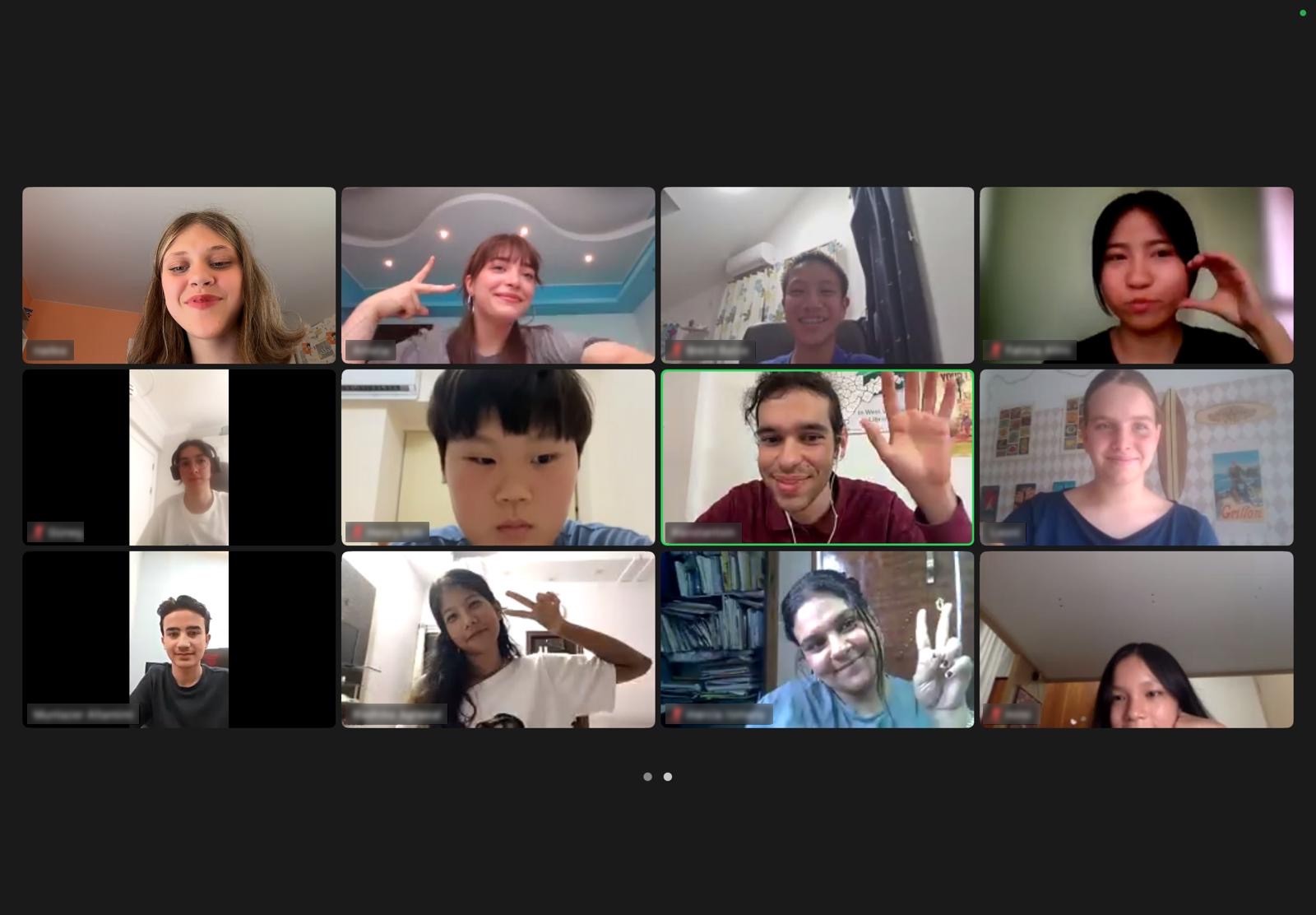
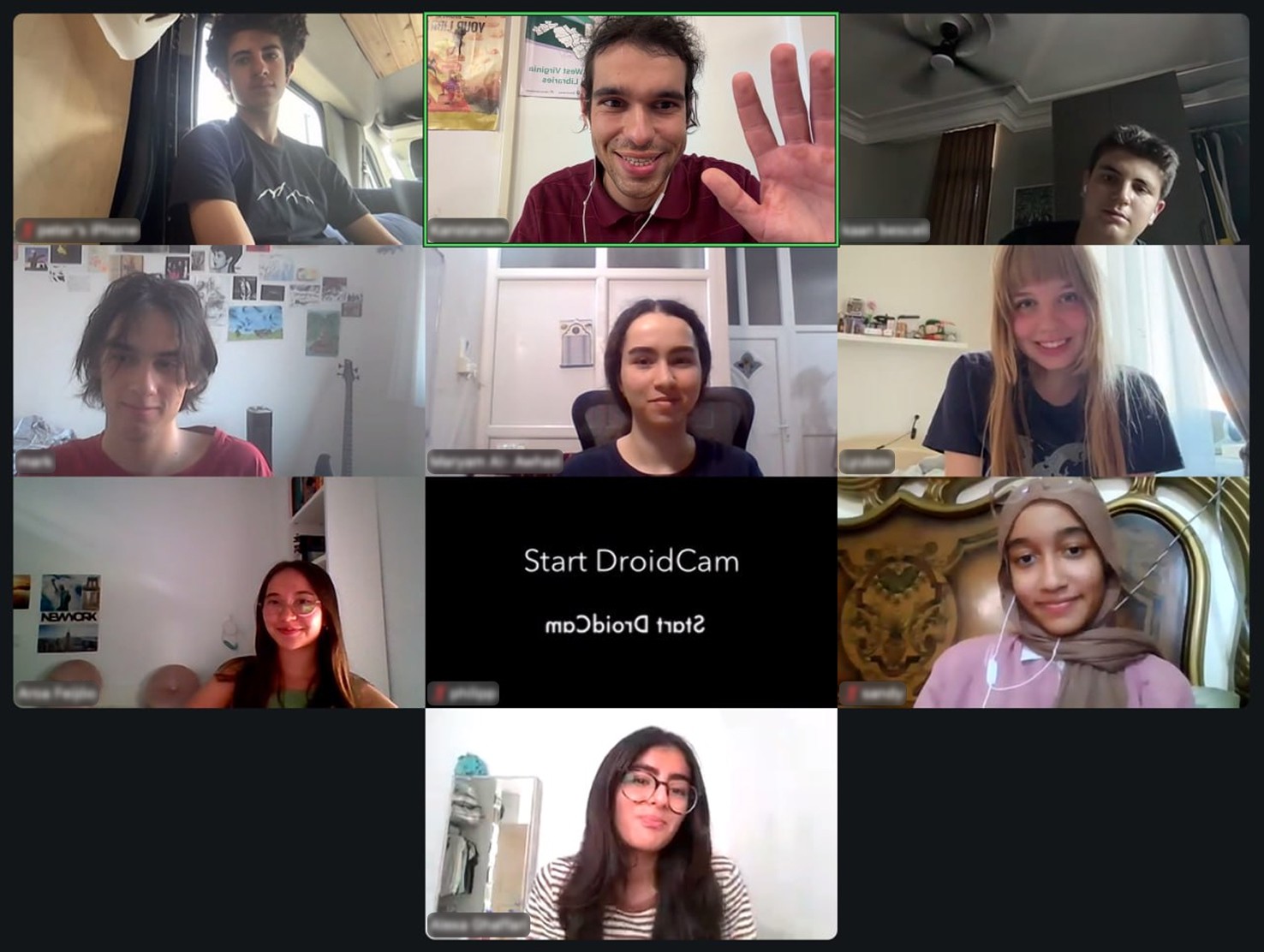
This international short course invites students to explore different ways of being human through short stories from Nobel Prize winning authors around the world. Participants reflect on experiences that speak across cultures and traditions.
Each session starts with small group conversations and moves into a full seminar discussion, where students practice careful reading and learn to listen and speak thoughtfully across difference.
The Apology of Socrates, written by Plato, is a Socratic dialogue of the speech of legal self-defense which Socrates spoke at his trial for impiety and corruption in 399 BC.
Michel de Montaigne ·  France · 1580
Montaigne asks who the real barbarians are: people far away, or us. A sixteenth century essay that still unsettles what we call normal.
Alice Munro ·  Canada · 1968
A young high school girl faces two visions of life: one conforming to people around her, and another of paving her own way.
Vladimir Nabokov ·  Russia · 1927
A psychologically ambiguous story about the family reconnecting after being separated for seven years due to war.
William Faulkner ·  United States · 1939
A classic story to enter into Faulkner. Questions revolve around tensions surrounding justice and family, as a young boy is asked by his father to lie in court.
Rabindranath Tagore ·  India · 1892
A Bengali classic about a writer dealing with a Cabuli fruit seller who discovers more similarities than differences between the two of them.
Yasunari Kawabata ·  Japan · 1924; 1949
Two beautiful parable-like stories about the magic of childhood and challenges of maturity.
Gabriel José García Márquez ·  Colombia · 1968
A puzzling story about an aboriginal tribe discovering a drowned body that transforms their perception of themselves, culture, and reality.
Victor Erice ·  Spain · 1973
Supplementing Márquez' surreal story, this enigmatic Spanish classic explores how art affects our lives.
Claude Jutra · Canada · 1971
Helping introduce Alice Munro, Jutra's classic Canadian coming-of-age story captures Canada in a similar timeframe of the 40s.
Charles Laughton · United States · 1955
Going along with Faulkner's interest in children's encounter with justice, this classic Appalachian thriller provides interesting commentary on family, religion, and abuse.
Tarkovsky's debut, this film shows the horror of war by contrasting it with its opposite - childhood. Going along with Nabokov's Doorbell.
Yasujirō Ozu · Japan · 1953
A close study of the vices and virtues of a modern urban family. No moving shots for 2+ hours.
Fatima · Afghanistan
A seminar giving Afghan girls banned from school a way back to learning.
Inspired by Barn Burning, William Faulkner
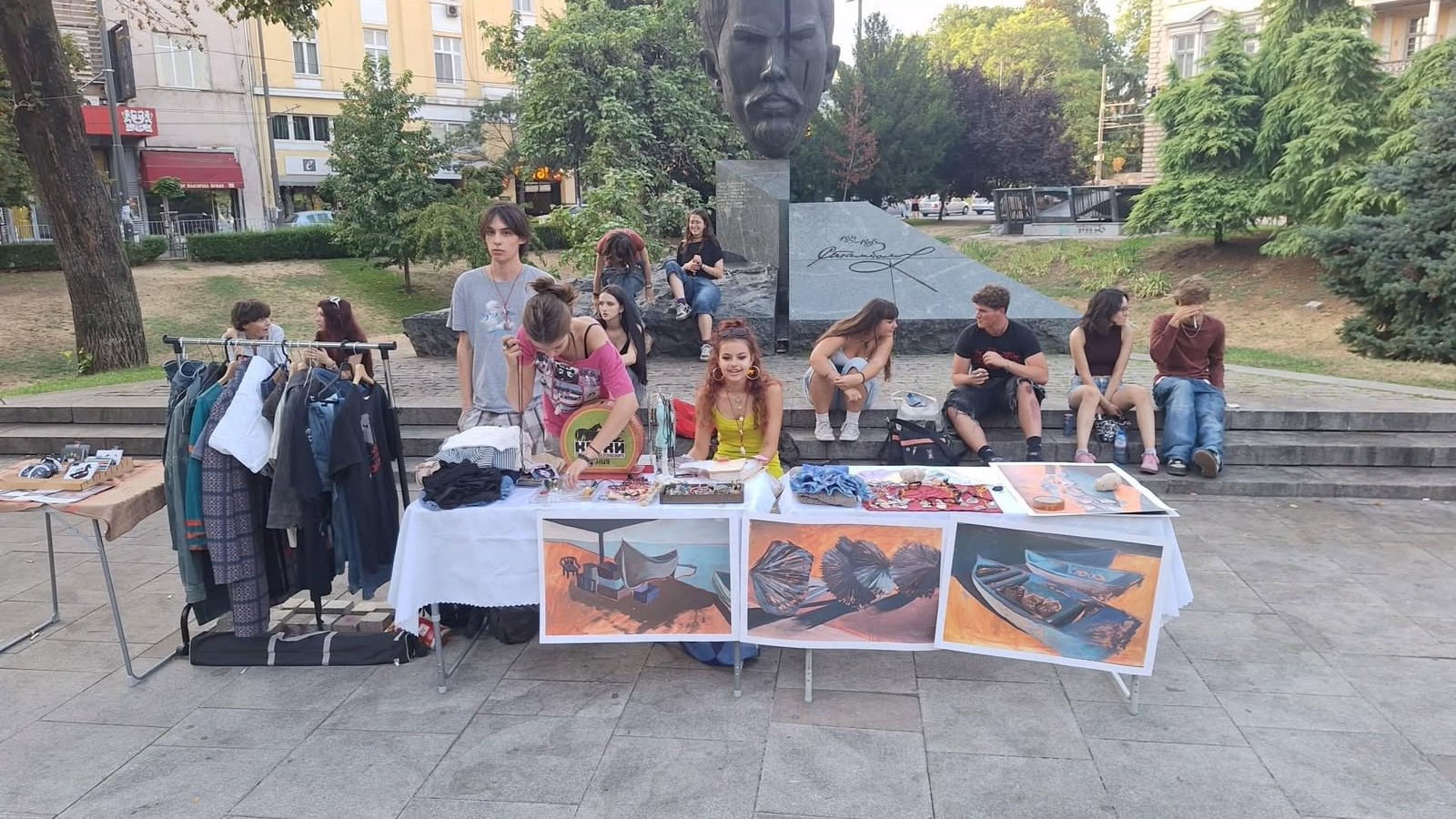
Mark · Bulgaria
17 friends, six hours in a Sofia square, and 277 euros raised for animal rights.
Inspired by On Cannibals, Michel de Montaigne
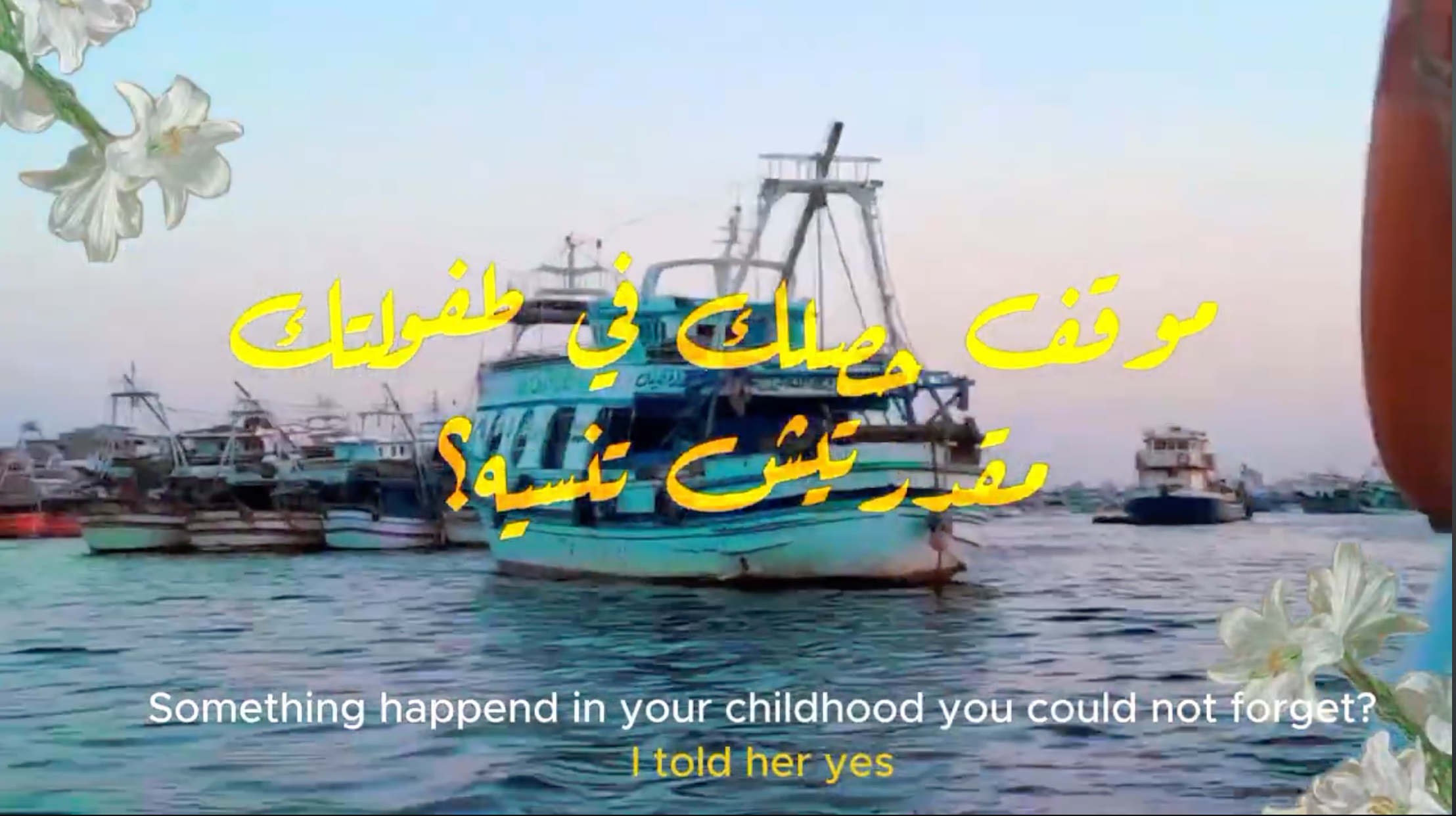
Sandy · Egypt
Three grandmothers in Egypt share childhood memories in a short film about parents.
Inspired by Barn Burning, William Faulkner
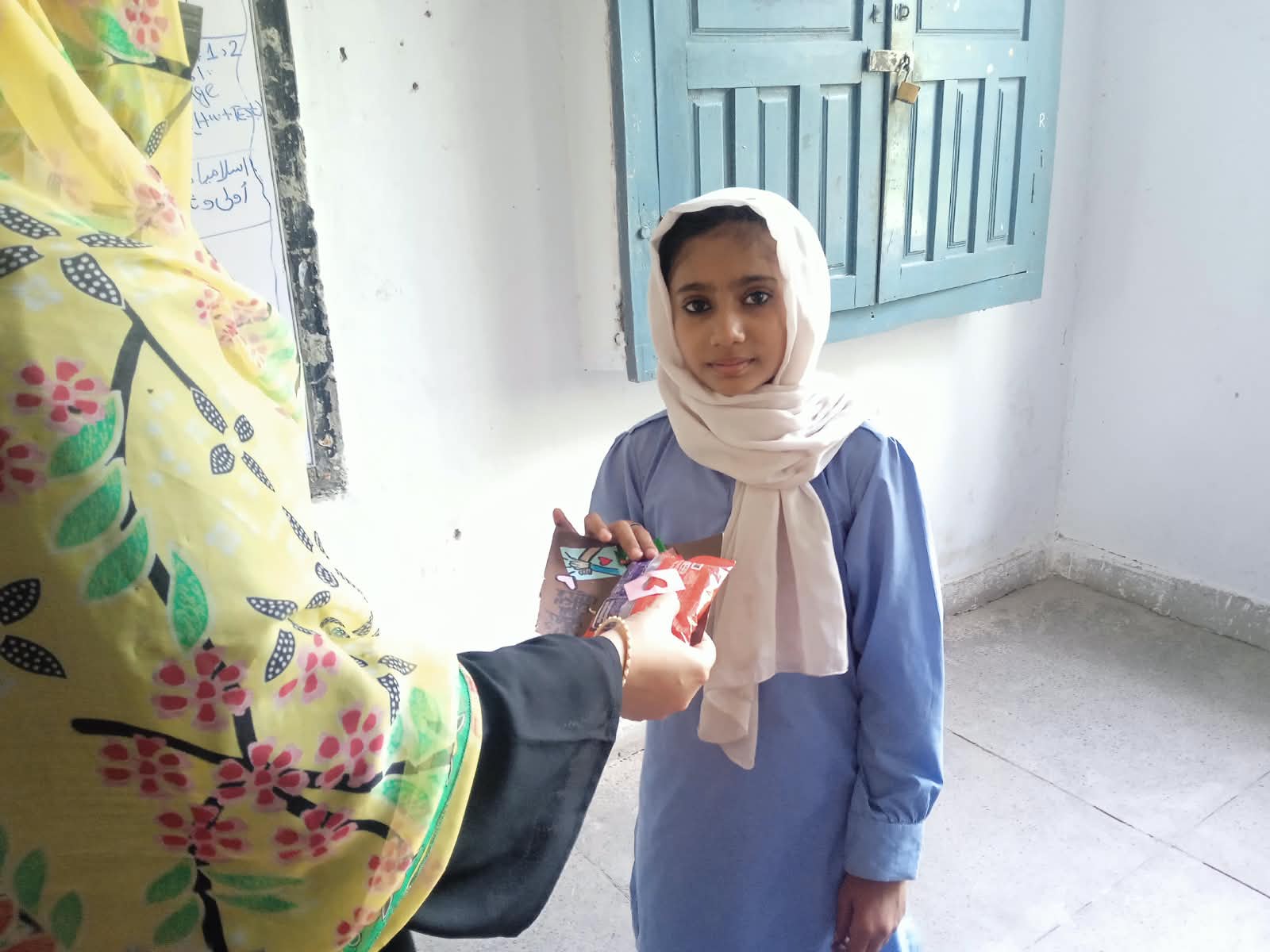
Meerab · Pakistan
Care packets of noodles and sweets for children who need to know someone cares.
Inspired by Enoch and the Gorilla, Flannery O'Connor
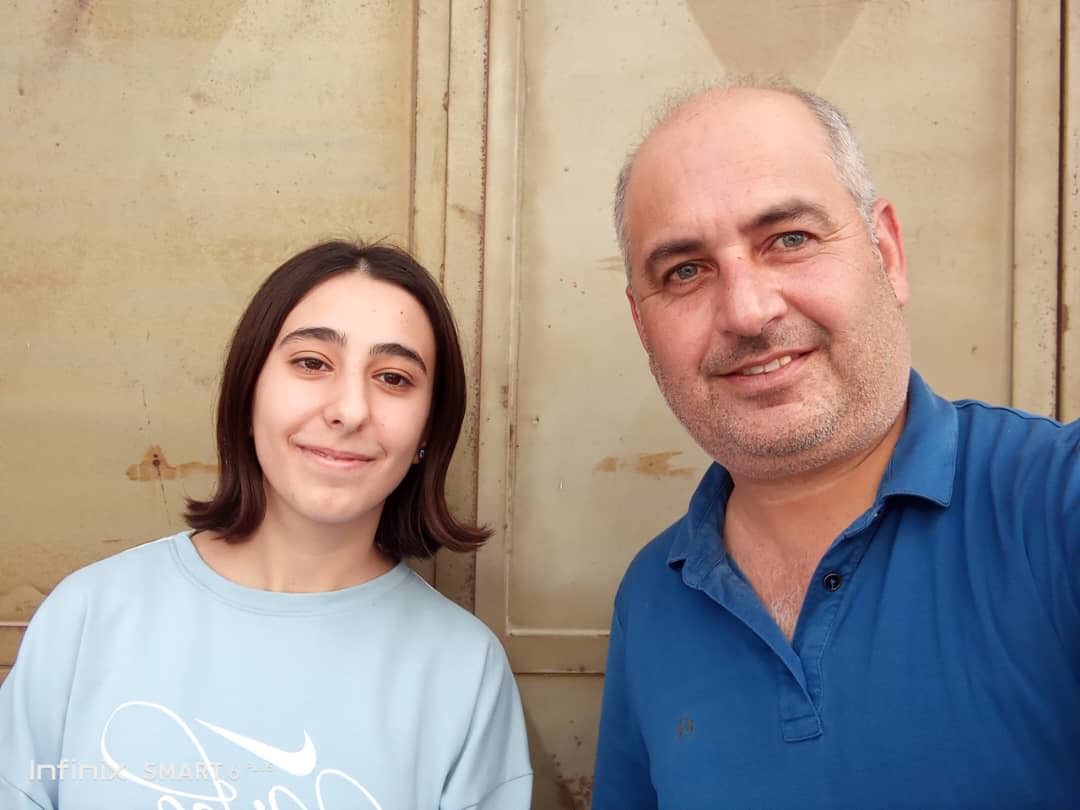
Haya · Syria
A Syrian physics professor interview on gifted students no one invested in.
Inspired by Apology, Plato

Mustafa · Iraq
A song imagining what Chekhov’s Yakov felt as he prepared to leave the world.
Inspired by Rothschild's Fiddle, Anton Chekhov
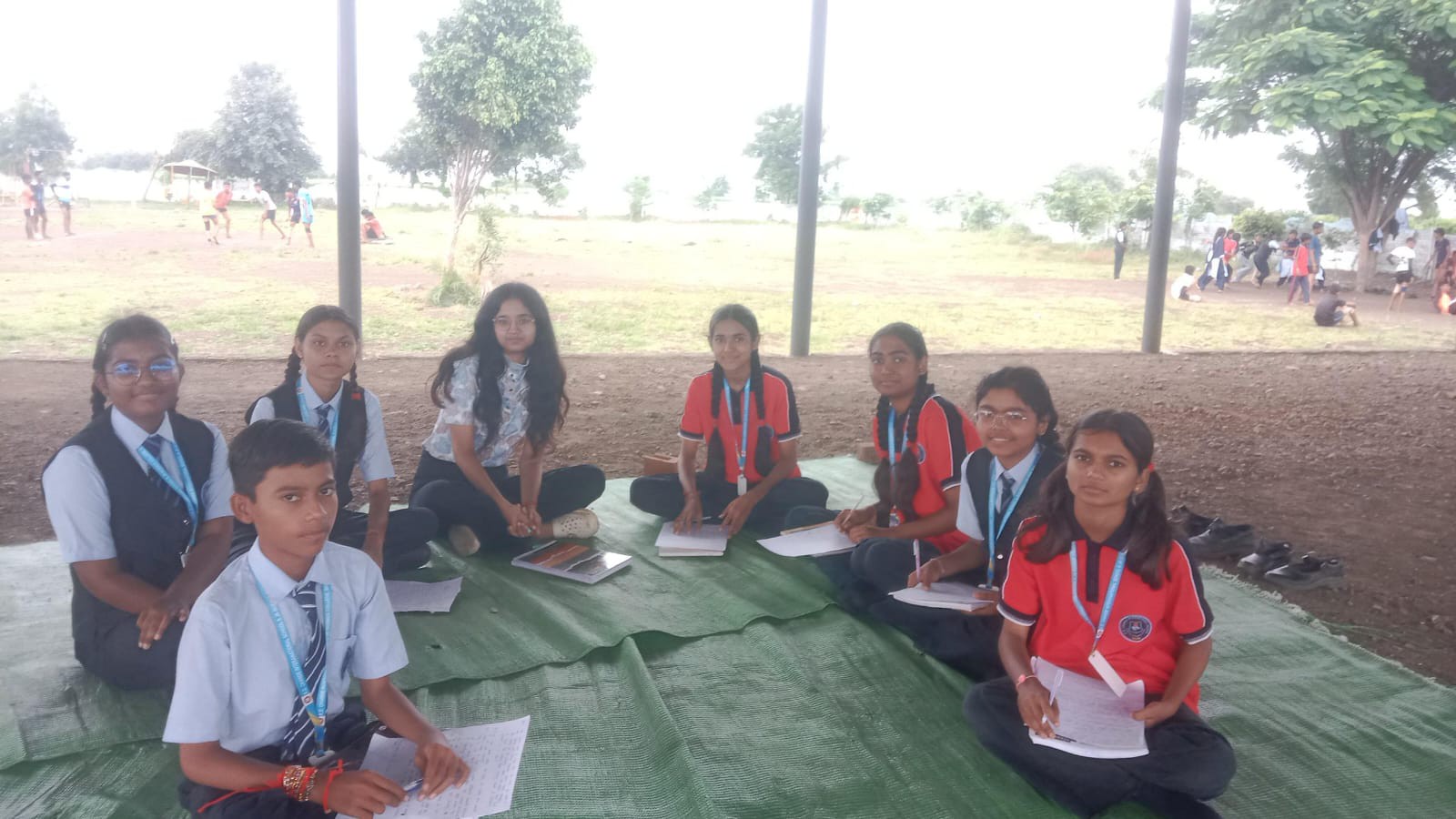
Sayalee · India
A village school tries its first Socratic seminar, with students and teachers alike.
Inspired by Rothschild's Fiddle, Anton Chekhov
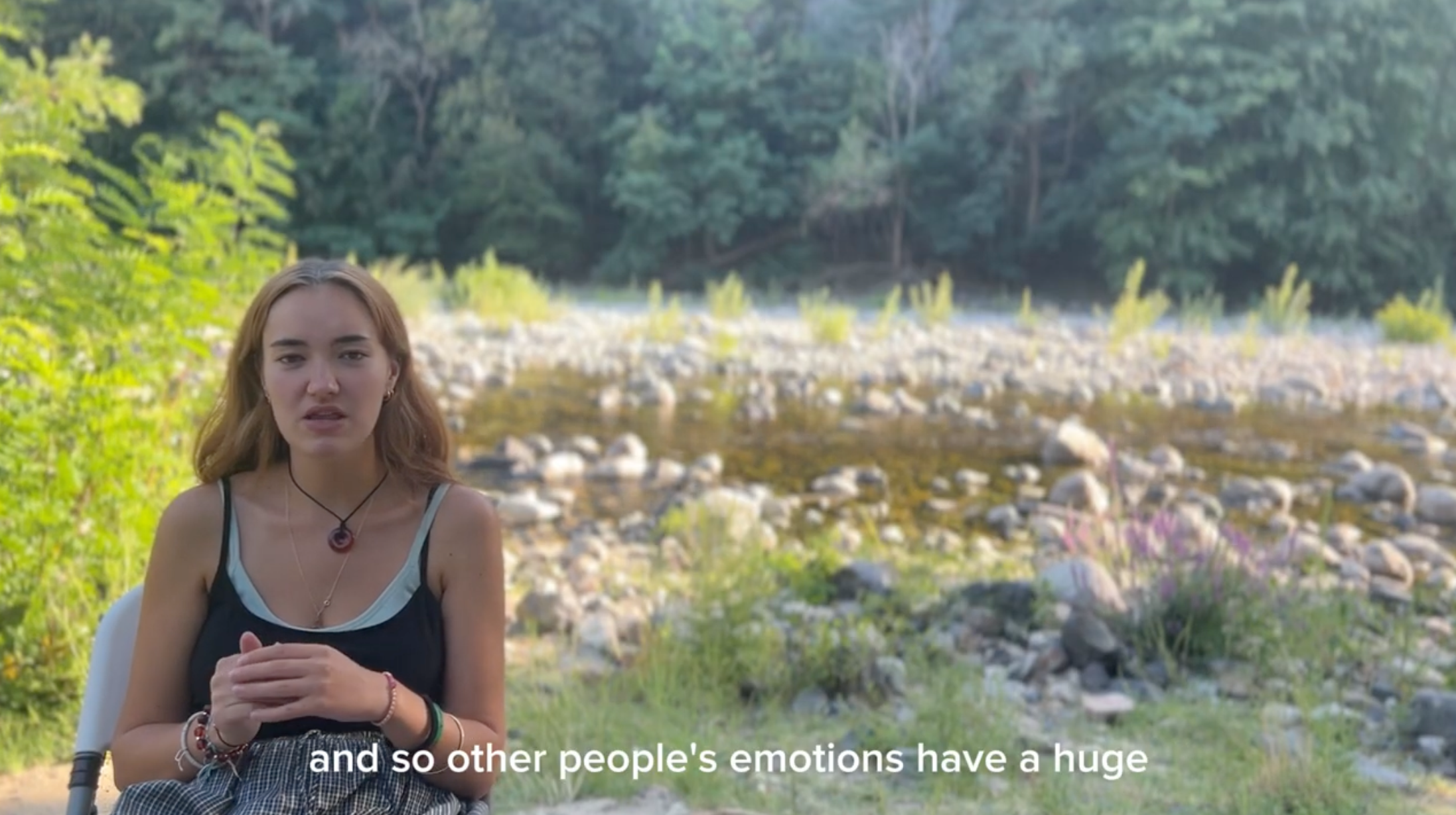
Mira · Iraq
Campers from three countries answer: what do you wish people understood about you?
Inspired by Enoch and the Gorilla, Flannery O'Connor
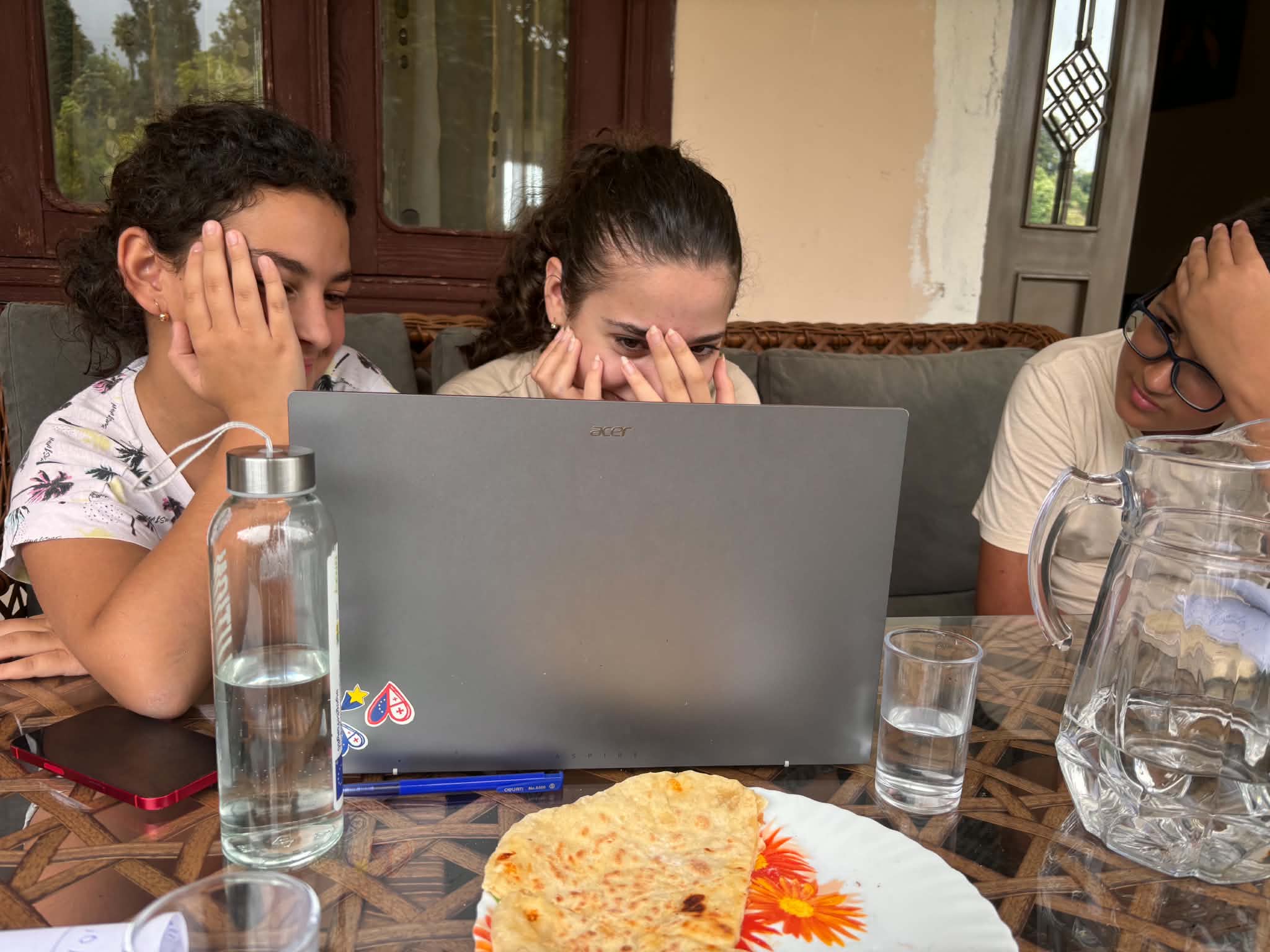
Anano · Georgia
A famous Georgian film, a Socratic seminar, and plenty of khachapuri, Georgian cheese bread.
Inspired by Notorious, Alfred Hitchcock
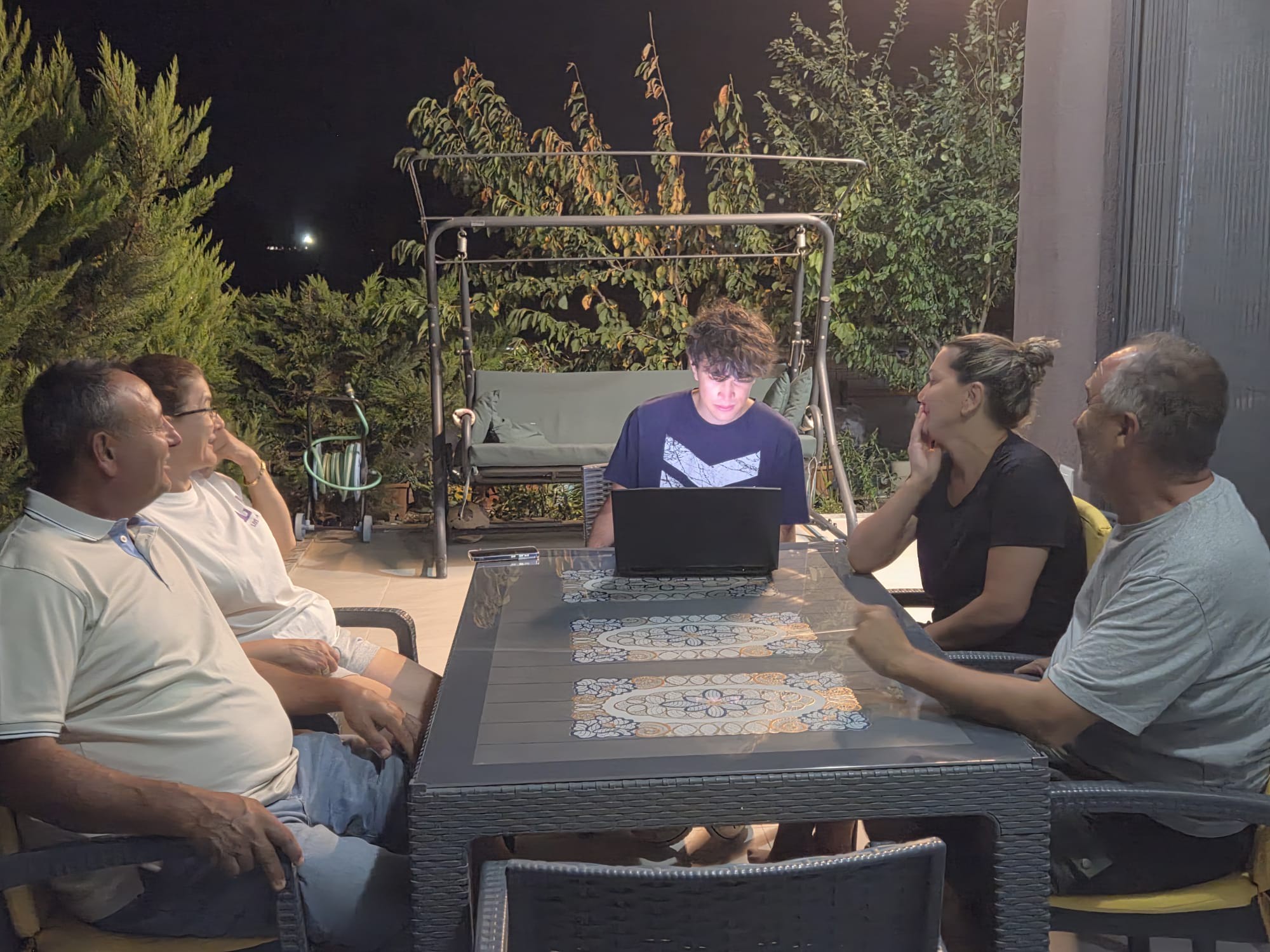
Deniz · Türkiye
A story about a Ukrainian family next door, and a talk about who gets left out.
Inspired by The Handsomest Drowned Man in the World, Gabriel José García Márquez
UWC
Short course host
Applications open
23 Nov to 30 Jan · Apply by 6 Jan
Free
Applications open
26 Dec to 3 Jan · Apply by 19 Dec
Sliding scale · $120 standard
Full scholarships available
Drop-in, ongoing
Sat 14 Nov · Sat 5 Dec